Ducted vs Wall Gas Heater: Which Suits Your Adelaide Home?
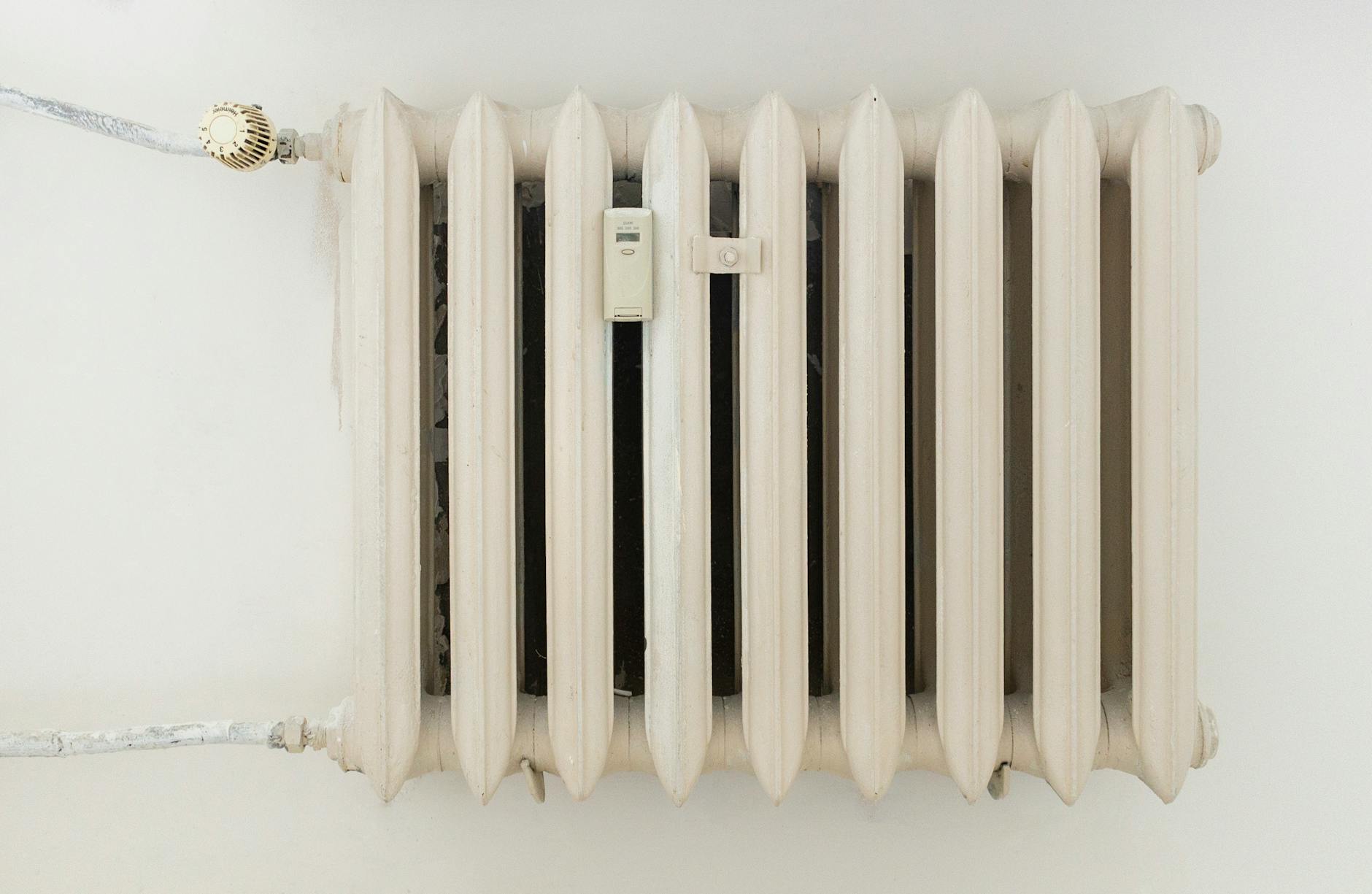
TL;DR: Ducted gas is the right choice if you want whole-home heating with zoned rooms and you've got ceiling or underfloor space. Wall furnaces and space heaters are the right choice if you mainly heat one or two rooms, have a smaller home, or want a low-upfront-cost replacement. Running costs are similar — it's the lifestyle fit that matters.
Quick answer
- Big home (3+ bed), family, lots of rooms used: ducted.
- Small home or unit, one main living area: wall furnace or space heater.
- Existing ducted system working OK: keep it serviced, don't replace it for the sake of it.
- Existing wall unit dying: replace like-for-like — going to ducted retrofit is $6,500+ and rarely pays back.
- Renting: whatever's already there, maintained by the landlord.
What each system actually is
Ducted gas heating
A central heater (usually in the roof cavity, sometimes underfloor, occasionally outside) heats air and pushes it through a network of ducts to outlets in every room. A return air grille pulls room air back to the heater. The whole system runs off one thermostat, often with zoning controls that let you turn rooms on and off.
Common brands in Adelaide: Braemar TQM / Super B, Brivis Buffalo / StarPro, Bonaire Optima. See our brand comparison for the detail.
Wall furnaces and flued space heaters
A single-room heater mounted on an external wall (or vented through one). It burns gas, heats up a heat exchanger, blows warm air into the room, and vents combustion gases outside through its own flue. No ducting, no central air handler.
Common: Rinnai Energysaver, Vulcan Heritage, Braemar Econ, Pyrox. Cannon and Regency make decorative "log look" flued heaters that sit in the same category.
Side-by-side comparison
| Factor | Ducted gas | Wall / space heater |
|---|---|---|
| Typical install cost | $3,800–$11,000 | $1,800–$3,200 |
| Heats | Whole home | One room (maybe two) |
| Zoning? | Yes, on most models | No |
| Service cost | $240–$320 | $180–$240 |
| Service frequency | Every 2 yrs (annual on older/heavily used) | Every 2 yrs (annual recommended) |
| Service access | Can be tough (roof cavity) | Easy |
| Noise | Gentle whoosh from vents | Gentle fan noise |
| Winter run cost (Adelaide) | $500–$800 | $250–$450 (one room) |
| Lifespan | 15–20 yrs | 15–25 yrs |
| Visual footprint | Small vents in ceiling/floor | Visible unit on wall |
| Power outage tolerance | Needs mains | Needs mains (modern), some old units run without |
Ducted gas is the right choice if...
- Your home is 3+ bedrooms and you use most of the rooms in winter
- You've already got ducting in place (Adelaide bungalows from the 70s–90s often do)
- You want every room at a consistent temperature
- You have kids or older occupants who don't wear jumpers at night and need every bedroom warm
- You're renovating and can easily run ducts through ceilings or underfloor
- You value the clean look (no visible heater in the living room)
The big argument for ducted is zoning. A modern Braemar or Brivis with a zone controller lets you heat the living area at 7am, flick to bedrooms at 9pm, and turn the unused rooms off completely. That's genuinely efficient.
Wall furnace or space heater is the right choice if...
- Your home is small (1–2 bed unit, small cottage)
- You spend most of winter in one or two rooms
- You don't have accessible ceiling or underfloor space for ducts
- Your existing wall unit needs replacing and you want a like-for-like swap
- You want a simple, low-complexity system with fewer failure points
- You like the look of a flued log-effect heater (Cannon, Regency) as a living room focal point
- You're on a tight budget — $1,800 install vs $6,500+ for ducted
Adelaide has a lot of smaller homes — older cottages in Prospect, Thebarton, Unley — where a single good space heater does the whole house and costs much less to run than a ducted system. Don't let "bigger is better" thinking push you into the wrong system.
Install considerations for Adelaide
Ducted install issues in SA
- Roof cavity space. Some older homes (stone cottages, cathedral ceilings) don't have the height. Underfloor install needs accessible subfloor.
- Concrete slab homes (many 60s–80s Adelaide suburbs) mean underfloor isn't possible. Roof or outdoor only.
- Heritage overlays (inner Adelaide) can limit flue positioning.
- Ceiling outlets require clear ceiling runs — check you don't have structural beams blocking.
- Return air location is important. Badly placed returns kill efficiency.
Wall furnace install issues
- External wall access for the flue. Some apartments can't.
- Clearances to combustibles per AS/NZS 5601. Check your chosen wall.
- Return path for room air matters — a tight corner with a closed door doesn't heat.
Running cost reality
A common myth: "ducted costs more to run because it heats the whole house."
Reality: a ducted system with zoning heating two rooms uses similar gas to a wall furnace heating those two rooms. The efficiency is broadly the same. What bumps the ducted bill is when people run the whole house to heat one room — which is what zoning is supposed to solve.
Full running cost breakdown in our gas vs electric cost comparison.
Maintenance differences
Ducted
- Return air filter — clean/replace every 6–12 months
- Duct interior — inspect every service, deep-clean every 5–10 years
- Zone dampers — test on service
- Access often requires roof cavity work — harder, sometimes more expensive
Wall/space
- Front grille vacuum — monthly in winter
- Burner and heat exchanger — service every 1–2 years
- Flue cowl — check yearly
- Access is usually easy — units sit at head height
Both should get a proper 22-point service — see what's included. Both should be serviced on the right schedule. Both can leak CO if neglected — see CO safety.
Which suits common Adelaide home types
Stone cottage (Norwood, Prospect, Unley, Goodwood)
Often no roof cavity, thick stone walls, single-glazed sash windows. A single good wall unit or space heater in the main living room, plus an electric split in the main bedroom, is usually the move. Retrofitting ducted is expensive and often requires external heater placement.
70s/80s brick veneer (Tea Tree Gully, Salisbury, Modbury, Hope Valley)
Ducted gas territory. Most of these homes already have ducting installed. Servicing the existing unit and replacing when it dies is cheapest. Ceilings usually have space, ducts accessible, return air locations are straightforward.
90s/2000s project home (Mawson Lakes, Golden Grove, Aldinga)
Commonly had ducted evap cooling from new, sometimes ducted gas. Many have been retrofitted to ducted reverse-cycle. Check existing ducts for age and condition before re-using. Newer homes with good insulation get away with smaller heating capacity.
Apartment / unit
Usually a Rinnai Energysaver or similar flued space heater — the only gas option that works without roof access. Alternatively, an electric split is often simpler to install and cheaper to run in a small space.
Beachside (Henley, Grange, Semaphore, Seaford)
Salt-air corrosion affects outdoor-mounted gas units and flue cowls faster. Annual servicing recommended regardless of heater type. Stainless steel flue kits are worth the extra install cost.
Hills (Stirling, Aldgate, Bridgewater, Crafers)
Coldest part of Adelaide. Gas heating still wins here — colder climates favour fuel heating over RC at the bottom of its operating range. Ducted gas is the common choice for hills homes with multiple bedrooms.
FAQ
Can I add ducting to an existing wall-furnace home?
Yes, but it's a full retrofit — new heater, new ductwork, new returns, new controller. $6,500–$11,000 depending on access. Only worth it if you're renovating anyway.
Is ducted more efficient than a wall unit?
Modern 5-6 star ducted and modern 5-star wall units are close. Ducted can be more efficient per room when zoned properly; less efficient when the whole system runs to heat one room.
Do ducted systems need their ducts cleaned?
Every 5–10 years for most households, more often if someone has asthma or pets shed heavily. Dust build-up reduces airflow and carries allergens.
Which is quieter?
Modern wall units are very quiet — barely audible fan noise. Ducted systems have a whoosh from the vents and a distant hum from the unit. Both are acceptable; ducted can be designed to be quieter with good duct sizing.
What if I've got both — ducted and a space heater?
Handy combo. Service both. Run the ducted for whole-home heating when people are spread out; run the space heater in the evening for one cosy room. Don't forget CO alarms near both.
Ducted or wall — we service both
Same day bookings across metro Adelaide. Whatever you've got, we'll keep it safe and running.
Call 0485 676 319 Book a service