Gas vs Electric Heating Cost in Adelaide 2026 (Real Numbers)
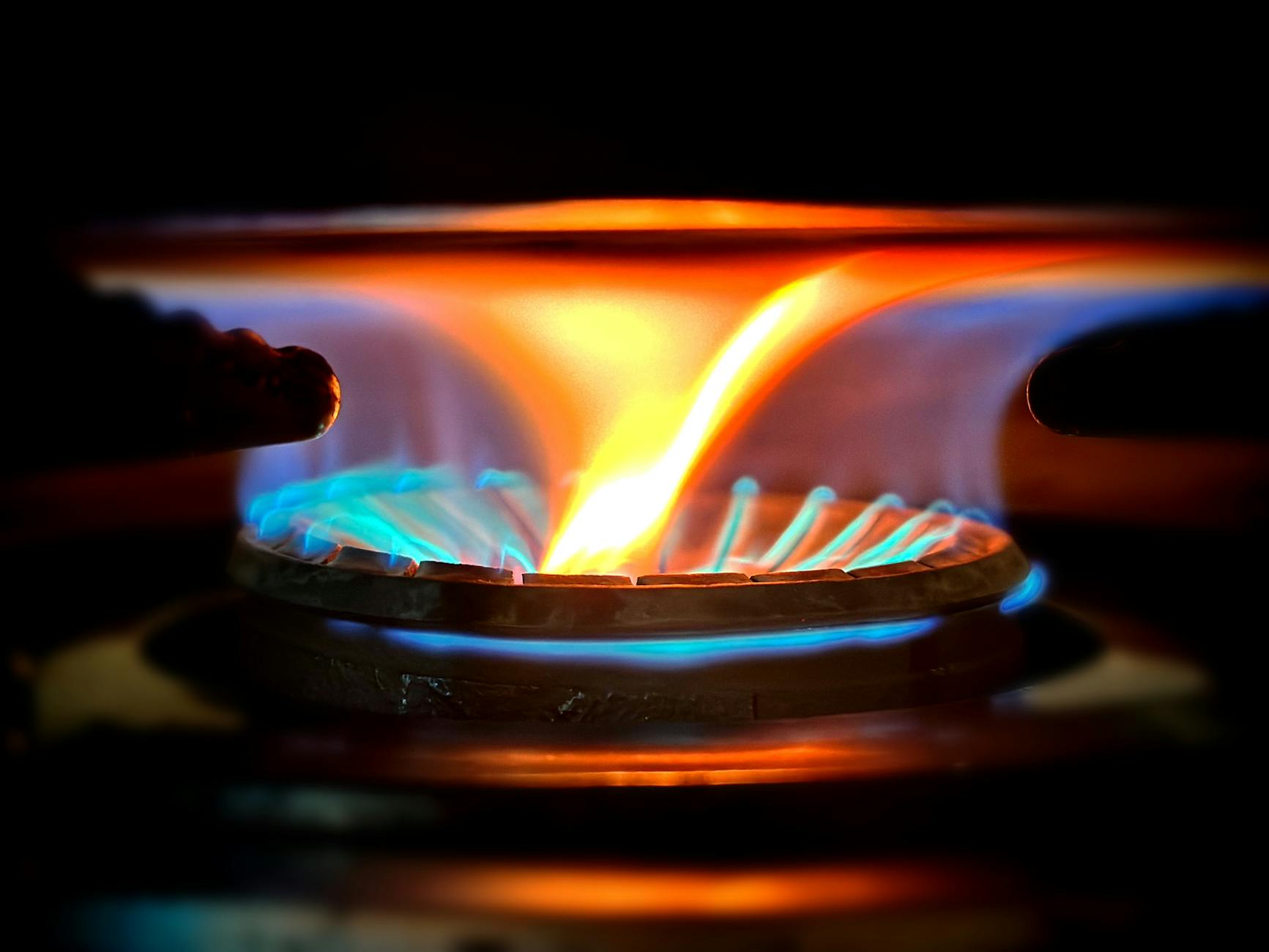
TL;DR: In Adelaide in 2026, reverse-cycle air conditioning is cheaper to run than ducted gas heating for most homes, especially with rooftop solar. But gas still wins on feel, heat-up speed, and bad-weather reliability. Panel heaters and portable electric resistance heaters are the most expensive way to heat a room — avoid them.
Headline answer
For an average Adelaide home running the heater 6 hours a day through June–August, based on 2026 retail tariffs:
| System | Winter running cost (rough) |
|---|---|
| Ducted reverse-cycle (COP 4.0, new) | $300–$500 |
| Ducted gas (5-star, newer) | $500–$800 |
| Wall furnace / flued space heater (gas) | $250–$450 (one room) |
| Split system reverse-cycle | $150–$300 (one room) |
| Panel / convection / oil-column electric | $400–$700 (one room!) |
| Portable fan heater (resistive) | Don't |
Yes — a modern split system run sensibly beats a gas wall furnace on pure cost in Adelaide. But there's more to it than the running total.
The 2026 price assumptions
These numbers are based on the SA retail market, April 2026:
- Electricity peak: around 46c/kWh
- Electricity off-peak / controlled load: around 22c/kWh
- Natural gas: around 5c/MJ (roughly 18c/kWh-equivalent)
- LPG: substantially more per MJ than natural gas — separate story
Check your actual bill for your tariff. Rates move every six months and Adelaide's retail market has genuine spread between retailers. The AER and Energy Made Easy are the best places to compare.
Ducted gas vs ducted reverse-cycle
For whole-home heating in a 3–4 bedroom Adelaide house, this is usually the real decision.
Ducted gas (Braemar, Brivis, Bonaire 5-star)
A modern 5-star ducted gas heater burns gas at roughly 20 MJ/hour at full tilt for a medium home. At 5c/MJ, that's about $1/hr at full burn. Average cycling means real-world run cost lands closer to $0.50–$0.80/hr.
Over a winter, most homes land $500–$800 in gas heating costs. Plus daily supply charges for gas — around $1/day, $90 over winter alone.
Ducted reverse-cycle (COP 4.0)
A modern ducted reverse-cycle system delivers roughly 4 kW of heat per 1 kW of electricity consumed (that's the COP — coefficient of performance). For an equivalent heating load, that's roughly 2.5–3.5 kWh per hour.
At 46c/kWh peak, that's $1.15–$1.60/hr — actually higher than gas at full tilt. BUT, most RC systems heat up fast and then coast at 20–40% power. Realistic average is closer to $0.50–$0.80/hr too.
If you've got solar running during the day (or off-peak night rates), the RC cost drops dramatically. That's the real tilt in 2026 — most Adelaide roofs now have solar, which makes RC daytime heating nearly free.
Wall furnace vs split system (single room)
For heating one or two rooms, a split system beats a wall furnace on running cost almost every time — assuming the split is modern (5-star-plus) and sized right.
Example: heating a 40m² living room for 4 hours an evening.
- Wall furnace at 15 MJ/hr output, cycling: ~$2/evening gas cost, ~$240 over winter
- Modern 7.1kW split at COP 4, cycling: ~$1.20/evening electricity, ~$140 over winter
BUT — the wall furnace heats up faster, feels warmer (radiant component), and keeps running during power outages if it's got a standing pilot. On cold, wet, windy nights with the power flickering, gas wins. On mild nights, electric wins.
Why panel heaters and portables are brutal
Any electric heater without a heat pump — panel heaters, oil-column radiators, bar heaters, portable fan heaters, "infrared" panels — converts 1 kW of electricity into 1 kW of heat. Straight resistive. No multiplication.
That sounds fine until you do the maths: 2 kW unit × 6 hours × 46c/kWh = $5.52 per day. Per room. For a cold snap week, that's $40+ to heat one bedroom.
Use them for 30-minute warm-up bursts, not primary heating. In Adelaide winters they're the single most expensive way to stay warm.
What rooftop solar changes
This is the big one for 2026. If you've got 6.6 kW of solar (typical Adelaide install) and a reverse-cycle system, you can effectively heat the house during solar hours (say 9am–4pm) for close to zero marginal cost.
Strategy most solar-equipped Adelaide homes are moving to:
- Pre-heat the house on solar in the afternoon using RC
- Let the thermal mass (brick, concrete, furniture) hold warmth into evening
- Use gas for the cold, damp nights when solar is long gone and the RC would be pulling peak-rate power
If you have both systems, use whichever is cheapest at the time. Batteries amplify this — an RC system running off battery in the evening is often cheaper than gas.
The stuff the cost spreadsheet misses
- Feel. Gas heat has a radiant quality electric can't match. Some people find RC "feels cold" even at the same room temperature.
- Heat-up speed. Gas ducted is faster to full room temp than RC ducted, by a few minutes.
- Humidity. RC systems dry the air, which can be harsh on sinuses. Gas heaters are neutral.
- Power outage reliability. Old-school wall furnaces with standing pilots still work when the grid's down. Modern electronic-ignition gas needs power too, but less of it than an RC system.
- Noise. RC outdoor units have fans. Wall furnaces are near-silent once running.
- Ducts. If you've got a ducted gas system already, ripping it out for RC ducted is a $15,000+ job. Keeping the ducts and using them is a big argument for gas.
Upfront install costs (2026 Adelaide)
| System | Typical install |
|---|---|
| Wall furnace replacement (like-for-like) | $1,800–$3,200 |
| New ducted gas (retrofit) | $6,500–$11,000 |
| Ducted gas replacement (existing ducts) | $3,800–$6,500 |
| 5 kW split system supply + install | $1,800–$2,800 |
| Ducted reverse-cycle (retrofit) | $12,000–$20,000 |
| Ducted reverse-cycle (replace ducts + unit) | $7,500–$13,000 |
The cheapest path for most existing Adelaide homes with ducted gas already: service the gas unit properly, add split systems in the main rooms, use solar/RC when mild, gas when cold.
When gas still makes sense
- You've got existing ducted gas in good condition — keep servicing it, keep using it
- You live in a power-unreliable area (hills, outer metro) — gas keeps running with less grid dependency
- You hate cold feet and cold evenings — gas radiant heat is warmer-feeling at the same thermostat setting
- You have no solar and peak electricity is killing you — gas can be cheaper per MJ of heat than peak-rate electricity
- Your home is poorly insulated and leaky — gas's high output heats up a draughty room faster
If you're on the fence — the cheapest move this autumn is to get your existing gas heater serviced to confirm it's safe and efficient, then decide. A 20-year-old un-serviced gas heater losing 20% efficiency to dust is expensive. A newly serviced one probably isn't. See our service cost guide and the winter checklist.
FAQ
Should I rip out my gas heater and go all-electric?
Rarely. If your gas heater is working and under 15 years old, keep it serviced and use it for cold weather. Add splits for mild weather. Only go all-electric if the gas unit is dying and you've got solar.
Is gas getting phased out in SA?
Long-term trend is that way, but there's no date for forced retirement of existing residential gas in SA as of April 2026. New-build estates in some council areas are electric-only. For existing homes, gas is fine.
Which brand of gas heater is most efficient?
Modern Braemar, Brivis and Bonaire 5-star units are all within a couple of percent of each other. See our brand comparison.
Does a reverse-cycle run better than gas in Adelaide's cold snaps?
Adelaide rarely gets cold enough (sub -2°C) for a modern RC unit to lose efficiency. In the Hills suburbs, yes — RC can struggle at 0°C and below. Everywhere else, RC is fine.
Thinking about your heating setup?
Honest advice from a licensed gas fitter. No sales pressure — if your existing unit is fine, we'll tell you.
Call 0485 676 319 Book a service