What's Included in a Gas Heater Service? (22-Point Checklist)
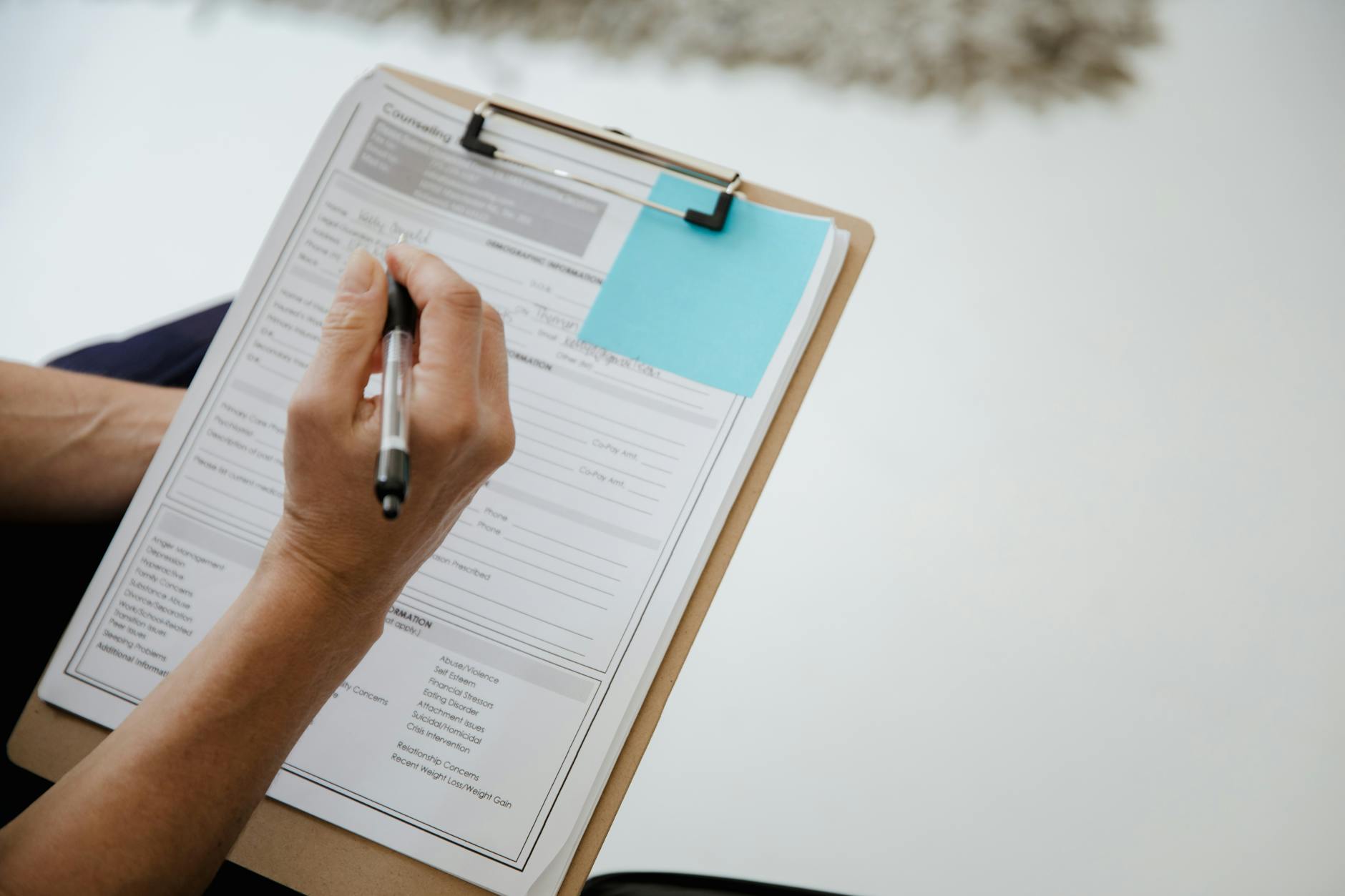
TL;DR: A full gas heater service is a 22-point safety and performance inspection, not a tidy-up. It includes burner cleaning, heat exchanger check, combustion analysis (CO/CO2/O2), flue inspection, gas pressure testing and a written report. Anything less than that isn't a service — it's a lookover.
Why the checklist actually matters
Two fitters can spend 75 minutes at your house. One of them runs through the proper checklist, reads combustion numbers off an analyser, and leaves you a written report. The other opens the panel, runs a vacuum around the burner, and collects $200 cash.
On the day, you can't tell the difference. In winter, when the cheap one missed a hairline crack in the heat exchanger, you can.
Here's exactly what a proper Adelaide gas heater service looks like — use it as a checklist when vetting any fitter.
On arrival (points 1–3)
1. Conversation
Any concerns? Noises? Bills jumped? Smells? Pilot issues? A good fitter listens first, because your report of symptoms usually tells us where to look.
2. Drop cloth down
Heat exchangers are dusty. Proper fitters cover your carpet or tiles. Don't assume this is standard — some don't bother.
3. Heater photograph
We photograph the unit before opening it, including serial number and data plate. This goes on your service record so there's no dispute about condition or model later.
Physical inspection (points 4–9)
4. Exterior visual inspection
Rust streaks, scorch marks, casing damage, flue pipe corrosion, clearances to walls and combustibles, and the 1-metre safety zone around the unit.
5. Isolation valve and gas line check
We confirm the isolation valve works, check fittings at the appliance for corrosion or leaks (with leak-detect spray), and check the rated gas type matches the supply.
6. Panel removal and internal inspection
Covers come off. We visually inspect the combustion chamber for soot, scale, water damage, rodent nests (yes, really) and corrosion.
7. Heat exchanger inspection
The critical one. We look for cracks, warping, rust-through, scaling, and scorching. A cracked heat exchanger is a condemn-the-unit fault. On older Vulcan, Pyrox and early Braemar units this is where most problems hide.
8. Burner inspection
Remove, photograph, check for blockages, corrosion, and damaged injectors.
9. Flue and cowl inspection
Internal baffles, external cowl, pitch, joints, penetrations through roof or wall. Blocked or damaged flues are the other big CO source.
Cleaning (points 10–13)
10. Burner cleaning
Compressed air and brush where appropriate. We don't shove a vacuum down the burner — that damages injectors.
11. Heat exchanger surface cleaning
Vacuum with soft attachment, brush, and inspection.
12. Pilot assembly and ignition electrode cleaning
Standing pilots: clean the orifice with a fine brush. Electronic ignition: clean the electrode and inspect for cracks in the ceramic insulator.
13. Flame sensor cleaning
Light emery cloth on the flame rod. A dirty flame sensor is the number-one cause of "heater fires but cuts out after 5 seconds" calls. Five minute job.
Testing (points 14–19)
14. Gas pressure test
Connect manometer at the test point. Check working pressure against the data plate spec. Natural gas should sit at 1.13 kPa on most domestic units. Out of spec = gas valve or supply issue.
15. Combustion analysis (CO, CO2, O2)
This is the step that separates real services from fake ones. We use a calibrated flue gas analyser to measure:
- CO (carbon monoxide) — should be well under 100 ppm, ideally under 50 ppm air-free
- CO2 — indicator of combustion efficiency
- O2 — excess air indicator
- Flue temperature — too high = heat loss, too low = condensation risk
These numbers go on your service report. If anyone services your heater without reading these numbers, they're guessing.
16. Flame appearance and quality
Blue cone, sharp edges, stable. Any yellow tipping past minor is a finding.
17. Safety switch and overheat test
Verify the high-limit and overheat switches trigger at spec. A stuck safety switch is how fires start.
18. Thermostat and controller calibration
Verify the thermostat reads correctly against a reference, check cut-in and cut-out, and test every zone on zoned systems.
19. Full cycle test
Cold start, ignition, full flame, steady-state run, thermostat satisfaction, cut-out, cool-down. Watch through at least one full cycle.
Reporting and sign-off (points 20–22)
20. Written service report
You get paperwork. Every reading, every finding, every recommendation. If anything's deferred or needs follow-up, it's written down.
21. Service sticker on the unit
Date, fitter name, licence number, next service due. Stuck where you can see it. This is the evidence a warranty claim or future buyer will want.
22. Walkthrough and handover
Quick chat through the findings. What we found, what we fixed, what you should watch, and what's the next service date. No jargon, no upsell theatre.
What a real Adelaide service looks like (example)
Just so this isn't abstract — a recent job from last April. Ducted Brivis Buffalo in a Flagstaff Hill home, 11 years old, last serviced two years prior.
Arrival: chat with the owner. She mentioned the heater "bangs a bit when it starts." Already a clue.
Inspection: panels off. Heat exchanger visually clean, no cracks. Burner coated in heavy dust and some spider webs. Pilot assembly had carbon build-up on the electrode. Flue cowl outside had a rat nest starting — partial blockage.
Cleaning: burner out and blown with compressed air. Pilot and electrode brushed. Flame sensor emery-cloth cleaned.
Testing: gas pressure on spec at 1.13 kPa. Combustion analysis showed CO at 180 ppm air-free at startup (high) dropping to 40 ppm at steady-state. The bang on startup was delayed ignition caused by the carbon on the electrode. Cleared.
Full cycle test: clean ignition, steady blue flame, normal cut-in and cut-out. Second combustion reading came back at 22 ppm CO, 9.4% CO2, within spec.
Total time: 70 minutes. Total cost: $280. One minor repair included ($45 flame sensor clean) without extra charge. Written report with before/after readings emailed same day. Sticker on the unit. Next service booked for 2028.
That homeowner's winter heater cost dropped noticeably too — the dusty burner was costing her gas efficiency. Small job, real impact.
What cheap/dodgy services skip
If you've ever had a $99 or $120 "service" you've probably missed:
- Combustion analysis (the single most important test)
- Gas pressure measurement
- Heat exchanger internal inspection
- Flue cowl inspection
- Safety switch testing
- Written report
- Service record sticker
That leaves: panel comes off, quick vacuum, panel back on, invoice in hand. It's a lookover, not a service, and it won't catch a cracked heat exchanger or a bad flue.
For real pricing on a proper service, see our Adelaide service cost guide. For how often to book one, see how often should you service a gas heater. For the legal side of gas work in SA, see SA gas fitting regulations.
FAQ
How long does a proper service take?
45–90 minutes depending on heater type and access. Ducted units take longer. Anything under 30 minutes is not a full service.
Is combustion analysis really required?
It's not legally mandated for every service in SA, but it's the only way to verify the heater is combusting cleanly. Any fitter worth their licence owns an analyser and uses it every job. We do.
What if the service finds a problem?
We ring you from the job, explain the fault, show parts where possible, and quote before doing extra work. You're never billed for repairs without approval.
Do I need to be home?
Preferably yes, at least for the handover. If you can't be, we can photograph findings and ring you through them.
Will you clean the ducts too?
Not as part of a standard service — duct cleaning is a separate job with different equipment. If your ducts look filthy we'll quote it as an add-on.
Get the full 22-point service
Licensed, insured, combustion-tested, written report every job.
Call 0485 676 319 Book a service