Heater won't ignite at all
No spark, no gas, no flame. Different fault to delayed ignition — start here.
That bang or boom isn't normal — it's called delayed ignition. Gas builds up in the combustion chamber for a few seconds before the spark catches, then the whole pocket lights at once. It's loud, it's startling, and it slowly cracks the heat exchanger. Easy fix if caught early. Expensive new heater if ignored.
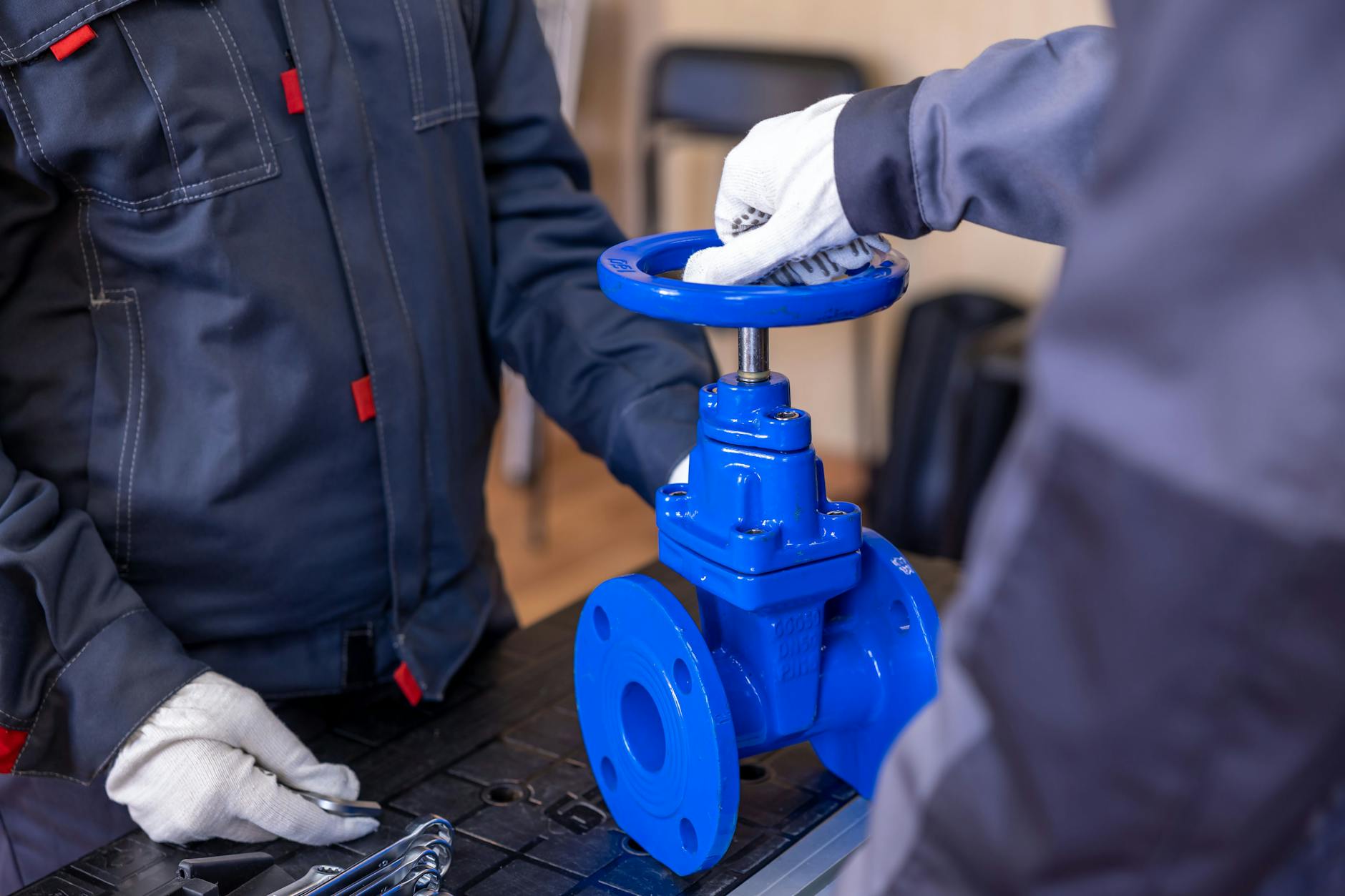
When a gas heater fires up, the gas valve opens and the igniter sparks roughly at the same moment. In a healthy heater, the spark catches the gas within a fraction of a second and you get a quiet "whoof" as the burner lights. You barely hear it.
When something is off — usually a weak spark, a dirty pilot, or low gas pressure — the spark can't catch the gas straight away. The valve keeps feeding gas while the system tries to ignite. After a couple of seconds of that, you've got a small pocket of gas sitting in the combustion chamber. When the spark finally bites, all of that gas lights at once. Bang.
The bang is a small, contained explosion. It's not enough to blow the heater apart in one go, but it puts a sharp pressure shock on the heat exchanger panel every single time the heater starts. Repeat that 5–10 times a day for a winter and you get hairline cracks in the heat exchanger. Once the heat exchanger is cracked, combustion gases — including carbon monoxide — start leaking into the air your fan blows around the house.
Yes — more than people realise. Banging itself won't kill anyone tonight. But the damage it does over weeks and months is exactly the kind of slow-build heat exchanger crack that puts CO into Australian homes every winter.
There's also a small but real risk of the bang being big enough to shift the flue panel, blow the front cover open, or — on rare older units — start a fire if there's combustible material near the heater. The longer you let it bang, the worse all of these get.
If you smell gas at any point, stop and call 1800 427 532 (SA Gas Emergency) first, then ring us. If anyone has headache, nausea or dizziness when the heater runs, treat that as a CO warning — get them out, ventilate, ring 000 if symptoms are bad.
Turn it off at the controls and the wall. Each bang is doing damage — don't add more.
Portable electric heater or reverse-cycle aircon for the night. Don't keep starting the gas one.
No. Adjusting gas pressure, replacing igniters, or touching the gas valve all involve gas-side work that has to be done by a licensed gas fitter under SA's Plumbing, Gas and Electrical Services Act 1995. Doing it yourself voids your insurance, and if the bang gets worse you're on the hook for any damage.
What you can do safely: vacuum any visible dust around the bottom of the heater, make sure nothing is leaning against the air intake, and stop running it until we arrive.
2026 Adelaide pricing, GST included, no call-out fee:
We diagnose first and tell you the total before starting. If we find heat exchanger damage from past banging, we'll show you the crack on a borescope — no fluff.
Same day across Adelaide metro if you ring before 10am. Banging gets bumped up our list because every additional ignition is doing measurable damage to the heat exchanger. Most jobs take 60–90 minutes on site — diagnose, replace the bad part, pressure test, CO test, done.
No spark, no gas, no flame. Different fault to delayed ignition — start here.
Banging plus yellow flame is a serious combo. Read this next.
The full warning-sign list from 12 years on the tools in Adelaide.
Same-day across Adelaide metro. Igniters in the van. Heat exchanger inspection on every callout.