CO alarm going off
If your CO detector is sounding, this is the page. Get out first.
A healthy gas flame burns crisp blue. Yellow, orange or lazy red flames mean incomplete combustion — and incomplete combustion makes carbon monoxide (CO). CO is colourless, odourless, and the leading cause of accidental gas-poisoning deaths in Australia. Don't keep using the heater until a licensed gas fitter has done a CO safety test.
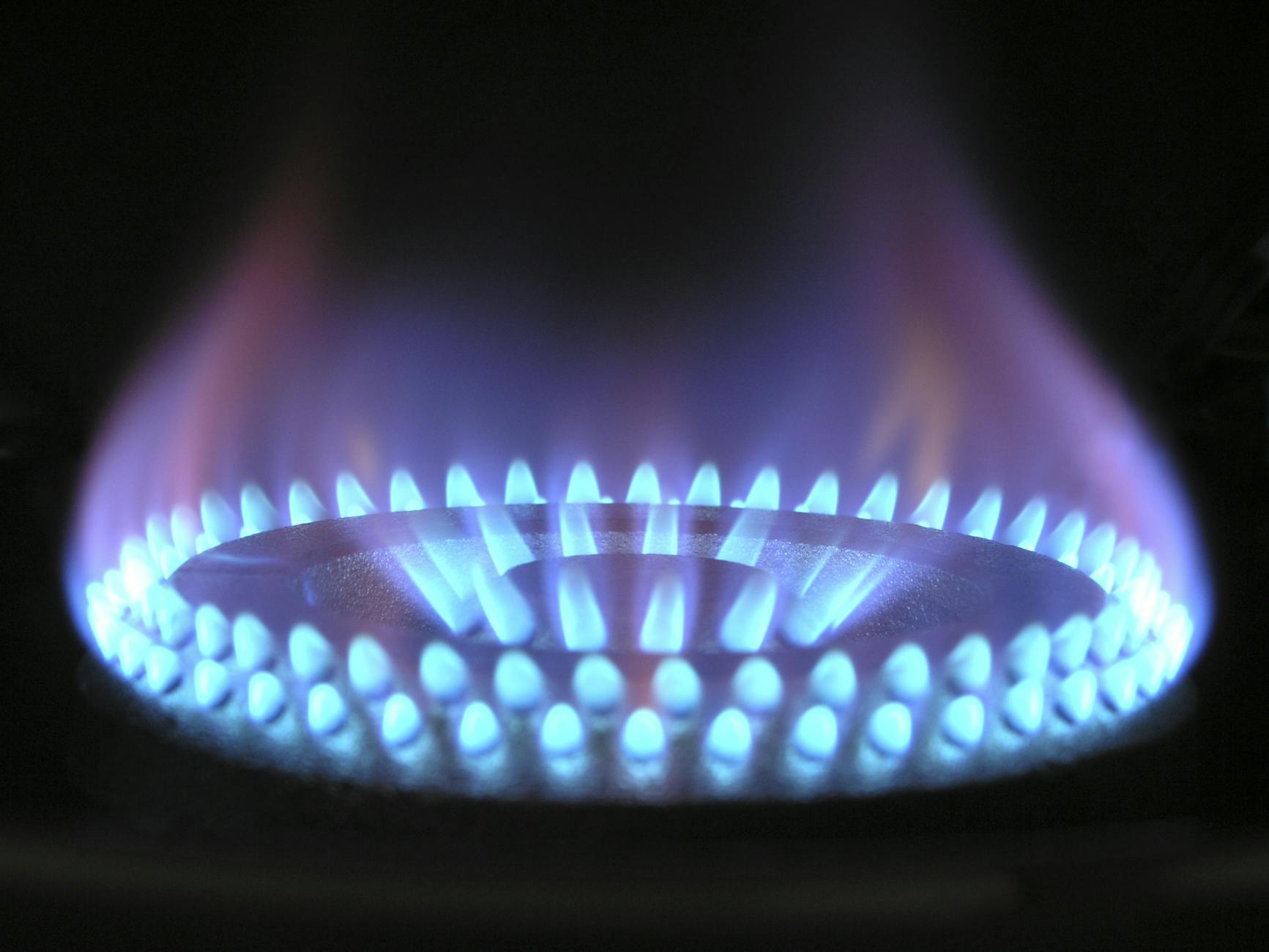
Natural gas and LPG burn cleanly only when they're mixed with the right amount of air. The blue colour you see in a healthy burner is the signature of complete combustion — gas plus oxygen producing carbon dioxide and water vapour, both of which the flue safely vents outside. There's almost no carbon monoxide at all.
Yellow comes from soot particles glowing in the flame. Soot forms when the gas can't get enough oxygen to burn fully, and the unburnt carbon produces carbon monoxide instead of carbon dioxide. CO is the dangerous one. It binds to your blood 200 times stronger than oxygen, and you can't see it, smell it, or taste it. The first symptoms — headache, dizziness, nausea — are easy to mistake for a winter cold.
So a yellow flame isn't a cosmetic issue. It's the heater telling you, visibly, that something is choking the combustion. Could be a fixable nuisance like a dust-blocked air intake. Could be a serious crack in the heat exchanger. The only way to know is to measure CO at the burner with a calibrated meter — which is what we do on every callout.
Yes — treat it as serious. Yellow flame is one of the three major CO warning signs along with sooty marks around the flue and people in the house getting headaches when the heater runs. Most yellow-flame faults won't kill you in the next hour. But every additional day of running it is more CO into the rooms you sleep in.
People most at risk: babies, pregnant women, elderly, anyone with heart or lung issues. CO poisoning at lower levels causes long-term cognitive damage that doesn't fully reverse. This isn't fearmongering — Australian coroners' reports list CO poisoning from gas heaters every winter.
Get out and call 000 immediately if anyone in the house has: headache, dizziness, nausea, drowsiness, confusion, chest pain, or shortness of breath while the heater is running. Then ring us once everyone is safe and out of the house.
Off at the unit and at the wall. Don't use it again until a licensed fitter has tested it.
Ventilate the rooms the heater was running in. Fresh air clears any built-up CO quickly.
Anyone with headache, nausea, dizziness or drowsiness — get them outside, ring 000.
Absolutely not. A yellow flame means a CO problem and CO problems are not for DIY — full stop. Even cleaning the burner properly requires the gas line disconnected and reconnected, gas pressure tested, and CO levels measured with a calibrated meter to confirm it's safe. All gas-side work in South Australia is restricted to licensed gas fitters under the Plumbing, Gas and Electrical Services Act 1995.
What you can do safely: turn the heater off, ventilate the room, and ring us. That's it.
2026 Adelaide pricing, GST included, no call-out fee. Diagnostic and CO test are part of the service price — you're not paying extra to find the cause.
If we find a cracked heat exchanger we'll show you the crack on a photo or borescope and explain whether to repair or replace. No upsells.
Same day across Adelaide metro for yellow-flame and CO safety calls. We treat these as priority because they're a real safety issue. Ring before 10am and we'll usually be there that afternoon. After-hours and weekends, ring our emergency number — yellow flame counts as an emergency at our end.
On site, the safety test takes about 20 minutes. The repair (if it's a clean) is another 30–45. You're back to a safe, warm house in a couple of hours.
If your CO detector is sounding, this is the page. Get out first.
Delayed ignition cracks heat exchangers. Don't keep running it.
Why CO from gas heaters kills Australians every winter — and how to prevent it.
Same-day across Adelaide metro. Digital CO meter on every job. Licensed gas fitter, fully insured.