Gas heater won't start at all
Different fault to a pilot drop-out. If the heater won't ignite at all, here's what to check.
The most common gas heater fault in Adelaide. Nine times out of ten it's a worn thermocouple — the safety probe that tells the gas valve "the pilot is lit, keep the gas flowing". When it dies of old age, the valve shuts the gas off the moment you let the pilot button go. Here's what's happening and what to do.
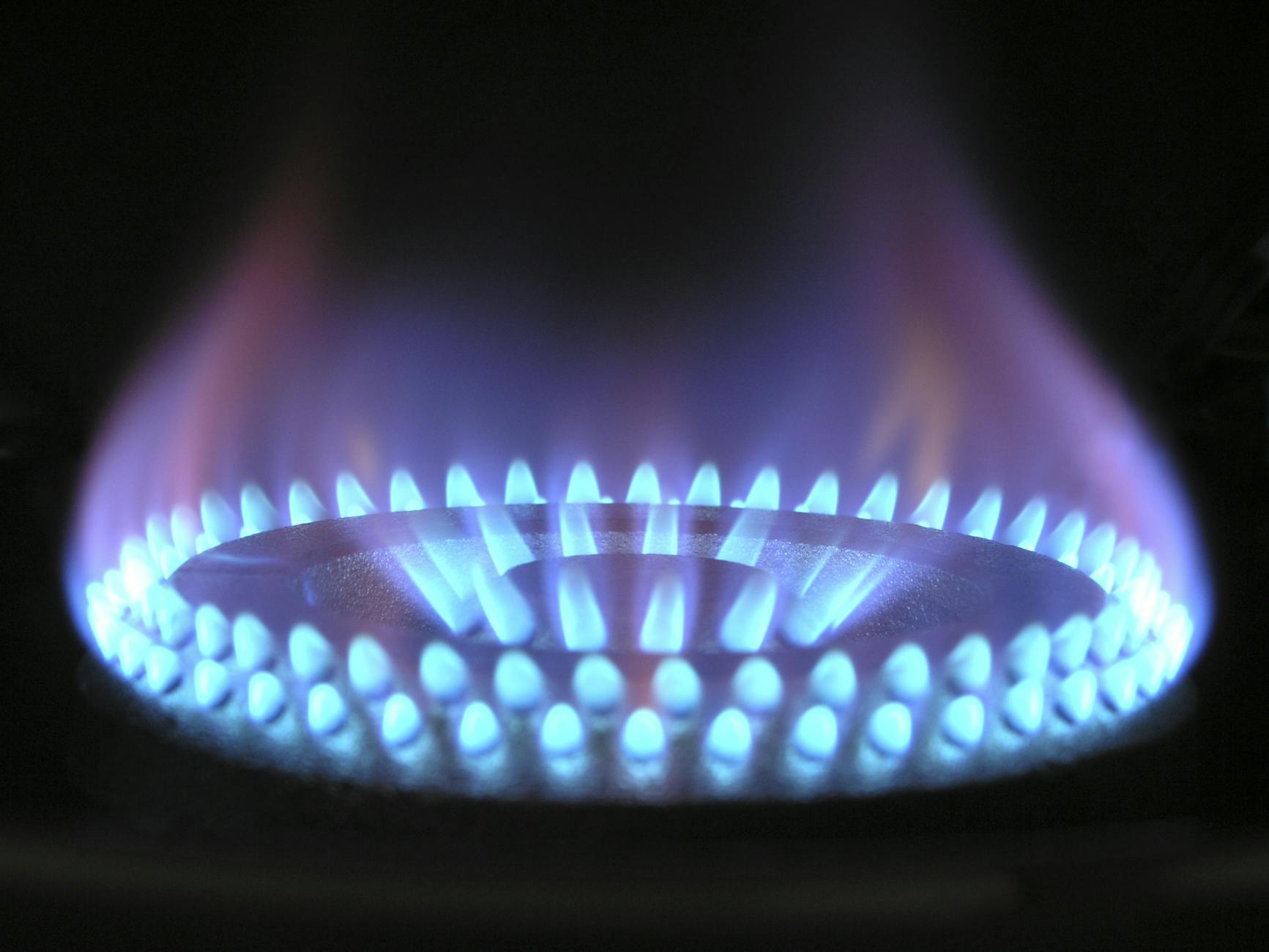
Every gas heater with a standing pilot has a tiny metal probe sitting in the pilot flame called a thermocouple (or thermopile on newer units). When the pilot is lit, the heat generates a small voltage that holds the gas valve open. When the pilot goes out — or the probe is too worn to generate enough voltage — the valve slams shut and stops the gas. That's exactly what should happen.
So when you light the pilot, hold the knob in for 30 seconds, let go, and the flame dies, the system is correctly cutting gas because it's not getting the "all good" signal from the probe. The fault is almost never the gas valve itself — it's the messenger.
Thermocouples are consumables. They wear out after roughly 5–10 Adelaide winters of being cooked in the pilot flame. Replacing one is the most common job we do on older Vulcan, Pyrox and Rinnai wall furnaces. It's quick, it's cheap, and it solves the problem.
Mostly no. The whole point of the thermocouple is that it makes a "pilot won't stay lit" fault inherently safe — the gas shuts off automatically. You're not at risk of a slow gas leak from this fault on its own.
What you should not do: keep cycling the pilot button five times in a row, or — much worse — try to bypass the safety using a clip or matchstick. Some YouTube videos show this. Don't. The thermocouple is your gas leak protection. Killing it for the sake of a warm room is how houses fill with gas overnight.
Call us immediately if: you can smell gas around the heater (rotten eggs), the pilot stays lit briefly then makes a "pop" sound, or you've smelled gas at all in the last 24 hours. Then it's not just a thermocouple — call 1800 427 532 first, then us.
Turn the gas control knob to OFF. Wait 5 minutes for any pilot gas to clear before re-trying anything.
Close nearby windows. Check that fans, air-con vents, or open doors aren't blowing across the heater base.
Follow the instructions on the heater. Hold the pilot button for a full 30 seconds before letting go.
Don't keep retrying. Ring 0485 676 319. We'll usually have a fitter to you that day.
No. All work on the gas side of a heater in South Australia must be done by a licensed gas fitter under the Plumbing, Gas and Electrical Services Act 1995. Even a thermocouple swap involves disconnecting a gas line, and unlicensed gas work voids your home insurance and is a fineable offence.
What you can do safely: turn the heater off at the wall, check for drafts, vacuum any visible dust around the bottom of the heater, and confirm the gas isolation tap (usually behind or beside the unit) is fully open. That's it. Anything past the cover stays for the fitter.
Stop and call 1800 427 532 first if you can smell gas around the heater. Then call us.
2026 Adelaide pricing, parts and labour, GST included, no call-out fee:
We always quote you the total before starting. If the heater turns out to need more work, we tell you up front — never any surprise bills.
Same day across Adelaide metro if you ring before 10am. Most pilot light jobs are 30–45 minutes on site once we arrive — we carry universal thermocouples, pilot assemblies, and igniters on the van for every common brand (Vulcan, Pyrox, Rinnai, Braemar, Bonaire, Brivis).
If it's after-hours and the cold is bad, ring anyway — emergency callout is $249 and we'll get someone moving. Don't sit in a freezing house if you've got kids or elderly family in there.
Different fault to a pilot drop-out. If the heater won't ignite at all, here's what to check.
Yellow or orange flame is a CO warning. Stop using and read this.
The full list of warning signs from 12 years of Adelaide gas fitting.
Same-day across Adelaide metro. Thermocouples in the van. Upfront pricing — usually $150–$220 fitted.